When to visit The Gambia
The dry season runs from November to mid-May and is the best time for a first visit. Days sit around 25–32°C, rain is rare, the roads are passable everywhere and wildlife is easier to spot because the bush is thinner. December to February is the coolest and busiest window; March and April are hotter but quieter.
The green season, from June to October, brings afternoon storms, high humidity and lush landscapes. It is cheaper, the country is at its most photogenic and the birdlife is extraordinary, but some unpaved routes and river trips become harder. Birdwatchers often prefer November to March, when migratory species arrive from Europe.
Getting there and getting around
Most visitors fly into Banjul International Airport (BJL) at Yundum, roughly 30–45 minutes from the coastal resorts around Kololi, Senegambia and Kotu. Shared taxis called gele-gele cover short hops, and sept-place station wagons run between towns, but neither is comfortable for day trips with luggage or a family.
For touring, a private car with a local guide is the practical choice: you set the pace, stop where you like and cross into Senegal without negotiating at the border. Distances look short on a map, but roads, checkpoints and ferry crossings take time — a full day is realistic for anything beyond the coast.
Wildlife and nature
The River Gambia National Park, better known for its Baboon Islands, protects a community of chimpanzees that were resettled here in the 1970s; boat trips from Kuntaur are the way to see them. Abuko Nature Reserve, close to the coast, is an easy introduction to monkeys, monitor lizards and forest birds.
At Kachikally Crocodile Pool in Bakau you can see — and, with a guide, touch — Nile crocodiles that are considered sacred by the local community. Tanji Bird Reserve and the wetlands around it are excellent for waders and raptors, while Makasutu Forest combines mangroves, palm forest and a working eco-lodge.
History and culture
Kunta Kinteh Island, formerly James Island, is a UNESCO World Heritage Site and one of the most important memorials of the transatlantic slave trade. Nearby Albreda and Juffureh complete the story. Further upriver, Janjanbureh (Georgetown) preserves colonial architecture and a slower river-town rhythm.
The Wassu Stone Circles are the country's other UNESCO site, a burial complex of laterite pillars more than a thousand years old. In Banjul, Albert Market, Arch 22 and the National Museum give a compact introduction to the capital, while a village visit — arranged respectfully, with a local host — explains how most Gambians actually live.
Food, language and money
Gambian cooking is built around rice, fish, peanuts and slow-simmered stews: domoda (peanut), benachin (one-pot rice), yassa (onion and lemon) and superkanja (okra). Street snacks such as akara and grilled fish with chilli are excellent, and wonjo juice — hibiscus — is the drink to try.
English is the official language and is widely spoken in tourism, but a greeting in Mandinka or Wolof goes a long way. The dalasi is the local currency; cash is used in markets and small restaurants, cards work in larger hotels, and ATMs are reliable mainly around the coastal strip. Carry small notes for tips and transport.
Practical essentials
Check current visa rules for your passport before booking — many nationalities can enter visa-free for short stays, while others need a visa in advance. A yellow fever vaccination certificate is commonly requested when arriving from a country with risk of transmission, and malaria precautions are recommended year-round.
Drink bottled or filtered water, use sun protection even in the green season, and arrange travel insurance that covers medical evacuation. Tipping is not compulsory but is appreciated: a small amount per day for guides and drivers is normal, and it makes a real difference to families who depend on tourism.
Why travel with a local guide
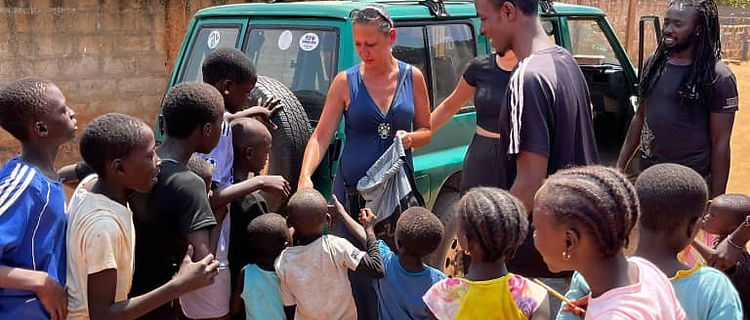
A guide who grew up here changes the trip. You skip the stops that only exist for commission, you arrive at the wildlife parks before the coaches, and you meet people as guests rather than spectators. Barry Best Tours plans private itineraries across The Gambia and southern Senegal, from a single day on the river to two weeks on the road.
Ask us about your trip
